
Is Your Water Heater Making Strange Noises? Here's What Each Sound Means
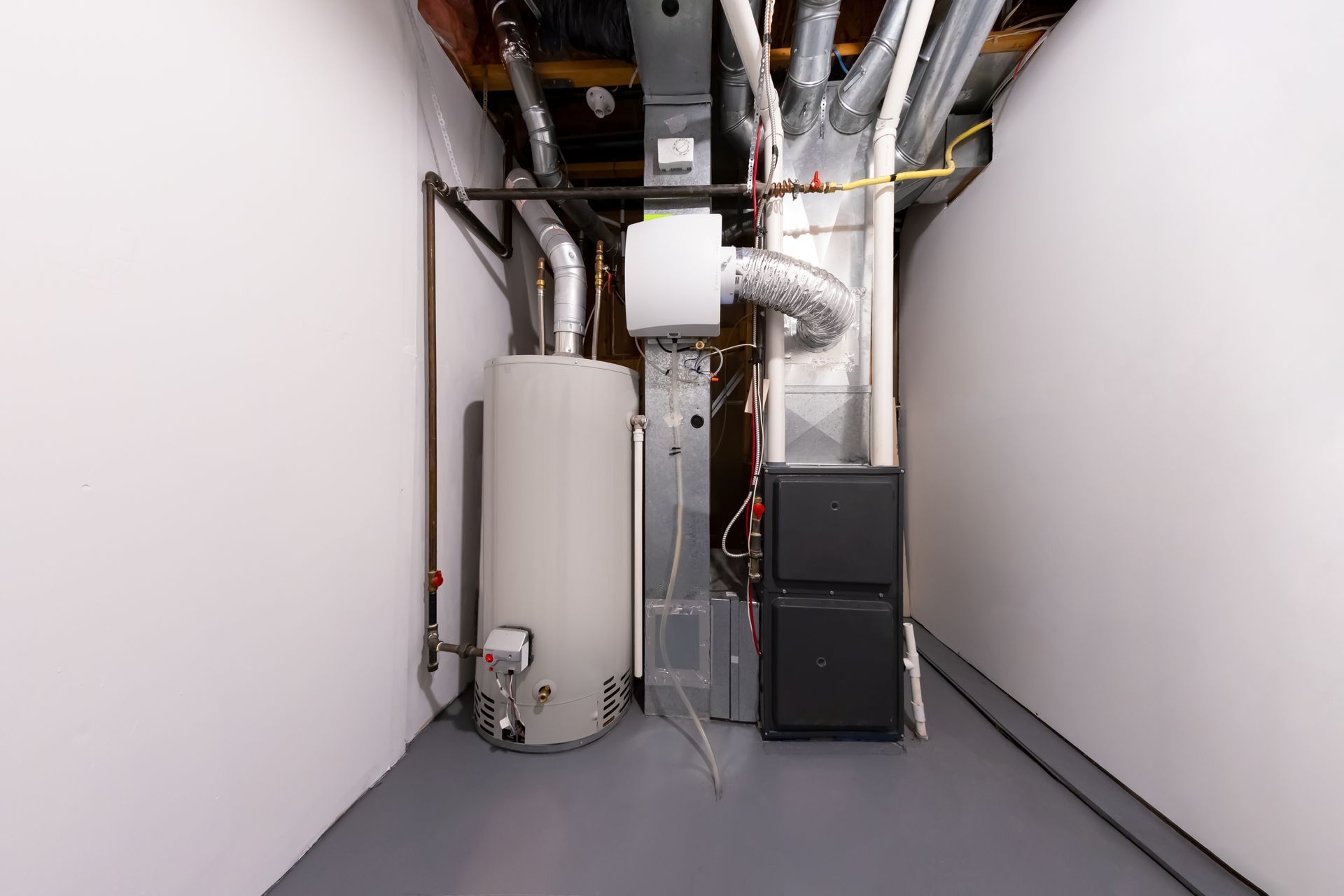
Many homeowners notice strange noises coming from their water heaters. Sounds like rumbling, hissing, or screeching can point to issues such as sediment buildup, pressure problems, or faulty valves. Knowing what these noises mean can help you avoid expensive repairs.
Rumbling or Popping: Sediment Buildup
If your water heater makes rumbling or popping sounds, it’s likely because sediment has built up at the bottom of the tank. Minerals from hard water settle over time and form a layer. When the heater runs, the heating element moves this sediment around, creating those noises.
You can fix sediment buildup yourself with a simple routine. Flushing your water heater regularly helps a lot. First, turn off the heater and let it cool down. Connect a garden hose to the drain valve at the bottom of the tank and run the hose to a safe place to drain. Open the valve and let the water flow until it’s clear, which means most of the sediment is gone. Doing this can improve your water heater’s performance and help it last longer.
Hissing Sounds: Pressure or Leak Issues
If you hear hissing from your water heater, it might mean there’s a pressure problem or a leak. This sound usually happens when steam escapes or water drips onto the heating element. If you ignore these noises, you could end up with water damage or a broken heater.
Leaks may also cause hissing sounds. Check for water around the base or damp spots on the tank. Fixing leaks right away prevents more damage and keeps your heater working well. If you’re not sure how to handle it, a professional can help keep your water heater safe and running.
Banging or Knocking: Water Hammer Effect
If you hear banging or knocking from your water heater, it might be caused by the water hammer effect. This happens when water moving through the pipes suddenly stops or changes direction, sending a shockwave that makes the pipes hit walls or other surfaces.
To fix this, you can install water hammer arrestors. These devices absorb the shockwave, which helps reduce noise and protect your pipes. Install them where the noise is loudest.
Screeching or Whistling: Valve Problems
If your water heater makes screeching or whistling sounds, it usually means there’s a problem with a valve. These noises happen when water is forced through a valve that isn’t fully open or isn’t working right, making the water move faster and create those high-pitched sounds.
To fix this, make sure all the valves are fully open. If the noise doesn’t stop, check the pressure relief valve for damage or problems. Replacing a broken valve can be difficult, so if you’re not sure how to do it, call a professional plumber. This will help your water heater work quietly and efficiently.
When to Repair vs. Replace Your Water Heater
Deciding whether to repair or replace your noisy water heater depends on a few things. Most water heaters last between 8 and 12 years. If yours is getting old and often needs repairs, buying a new one could save you money in the long run.
Also, consider how often your water heater has problems and how serious they are. If you’re fixing it a lot, the costs can add up and might even be more than buying a new one. Check how energy-efficient your heater is, too. Older models usually use more energy, which can raise your utility bills.
Finally, consider how much repairs will cost. If the fix is small and not expensive, it’s probably worth it. But if the repair costs almost as much as a new heater, replacing it is likely the better option. A professional plumber in Jacksonville can help you understand your water heater’s condition and what to do next.
Don’t Hesitate to Call Professional Plumbing Services
If you want expert help or advice, it’s a good idea to contact a trusted plumbing service. We at Superior Plumbing can handle any water heater issue you have. To keep your water heater working well, get in touch with us today for more information and support.
Image credit:
// Shutterstock // Habanero Pixel