How to Clean & Maintain Your Pipes to Avoid Clogs
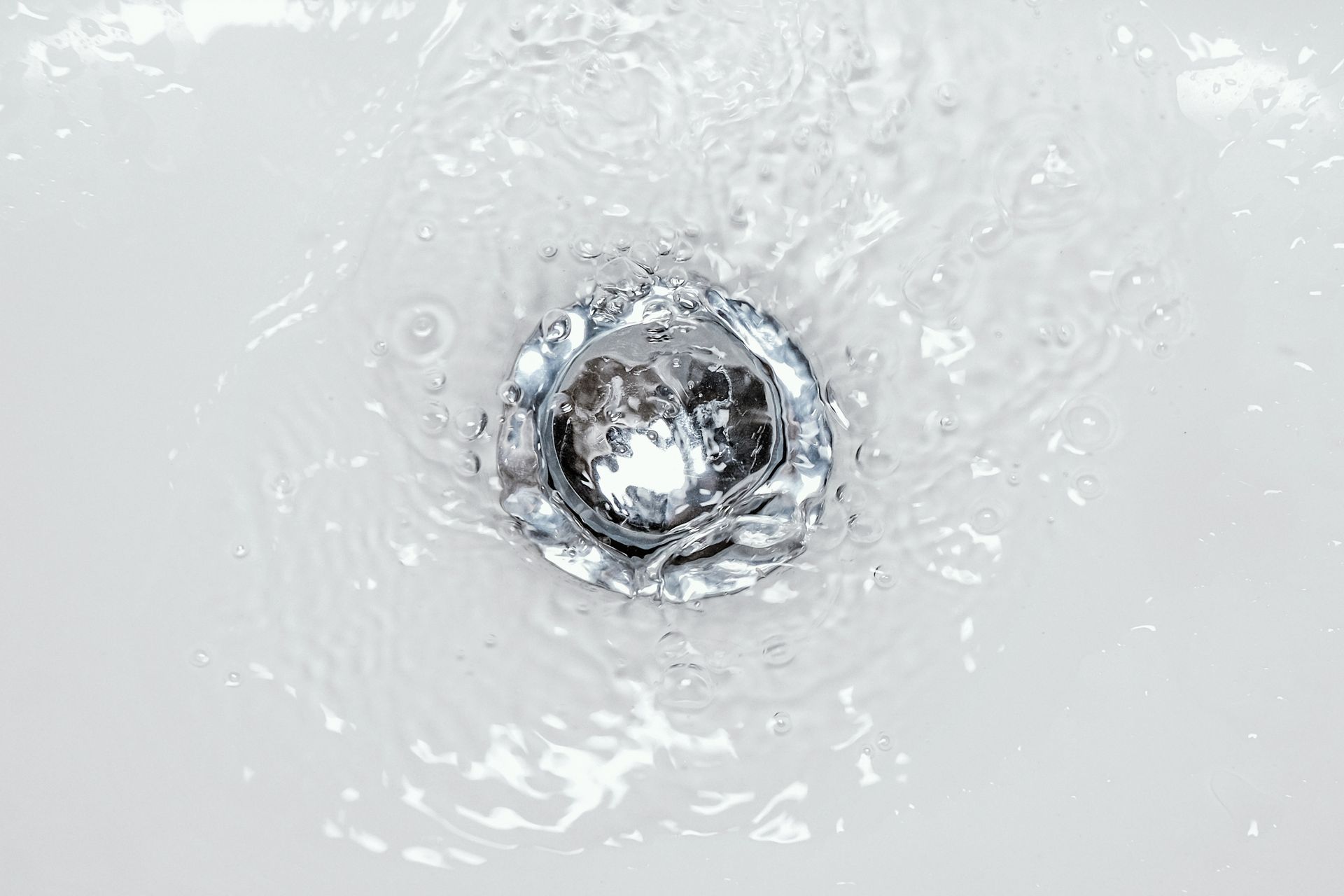
Clogged drains are a common plumbing issue, leading to slow draining or completely unusable sinks or tubs. Although clogs are often formed by hair, food bits, and residue from cleaning products or cosmetics, they are typically difficult to remove. Preventing clogs is much easier than removing them. By learning the most common causes of clogs and how to recognize the signs of a clogged drain, you can avoid those pesky clogs and the icky task of attempting to remove them.
Understanding Your Plumbing System: Common Clog Culprits
Your plumbing system is composed of many narrow pipes fitted together with connectors and 90-degree angles that can trap debris and cause clogs. In other words, just because something goes down the drain doesn't mean it's gone from your plumbing system. Watching what you put down your drain is the best way to keep drains clear.
Some of the most common causes of clogs in plumbing systems include:
- Food bits
- Hair
- Grease
- Trash (wrappers, cigarette butts, scraps of paper)
- Coffee grounds
- Soap scum
- Debris from old piping systems
While some culprits will make their way down the drain, staying vigilant and using simple tools, such as a drain screen, can help.
Spotting Trouble Early: Signs of a Clogged Drain
Unclogging a drain that has completely stopped working can be difficult or impossible without assistance from a professional plumber. Recognizing the signs of a clogged drain before the problem peaks can give you the best chance of successful clog removal.
The most common signs of a clogged drain include:
- Sluggish or slow-draining sinks, toilets, or tubs
- Unpleasant odors coming from the drain systems
- Gurgling sounds in pipes during or after use
- Slow drainage in multiple areas of the home
Recognizing the signs of a clogged drain will help you take action with DIY unclogging methods or assistance from a plumbing professional. While some types of clogs can be cleared with DIY tools and methods, others require professional intervention. Ignoring the signs of clogs can allow them to develop into significant issues that put more stress on your plumbing system.
Proactive Pipe Care: Essential Preventive Maintenance
Learning how to clean pipes and keep them clean can help you prevent plumbing clogs. Use these drain cleaning tips to keep a clean and functional plumbing system.
- Cover tub and shower drains with a mesh screen or a perforated shower drain hair catcher.
- Brush your hair before bathing or showering.
- Clean drains once a week. Remove the drain stopper and use a wire or hair-catching brush to remove hair and debris.
- Use a bacterial drain cleaner (non-corrosive, so they won't damage your pipes) or a home-made drain cleaner once a month to maintain your drains. Homemade cleaning solutions can be made by pouring 1/4 cup of baking soda down the drain and leaving it for 20 minutes before pouring a cup of vinegar down the drain.
Proactive Care for a Clog-Free Home
Unfortunately, clogs in residential Jacksonville plumbing systems aren't always the result of poor drain maintenance. If you frequently get tough clogs that are difficult to remove, you may need professional assistance. When you need pipe maintenance in Jacksonville, the experts at Superior Plumbing are here to help with a range of services for cleaning, lining, or replacing pipes. If you have clogged drains that aren't responding to your efforts or frequently experience clogs, we can assess your issues and address them. Contact us today to schedule plumbing services.
Image credit:
// Shutterstock // winnond