How Do I Know If My Shower Cartridge Is Bad?
When you hop into the shower, the last thing you want is lukewarm water that can’t make up its mind—or worse, water that won’t stop dripping no matter how tight you turn the handle. These annoyances may seem small at first, but they often point to one central issue: a faulty shower cartridge.
Whether you're handy with home repairs or just starting to explore how your plumbing works, understanding how to spot a bad shower cartridge can save you time, water, and money. Here's everything you need to know about shower cartridges—what they are, how they work, signs they might be going bad, and when it's time to call in the pros.
What is a shower cartridge, and what does it do?
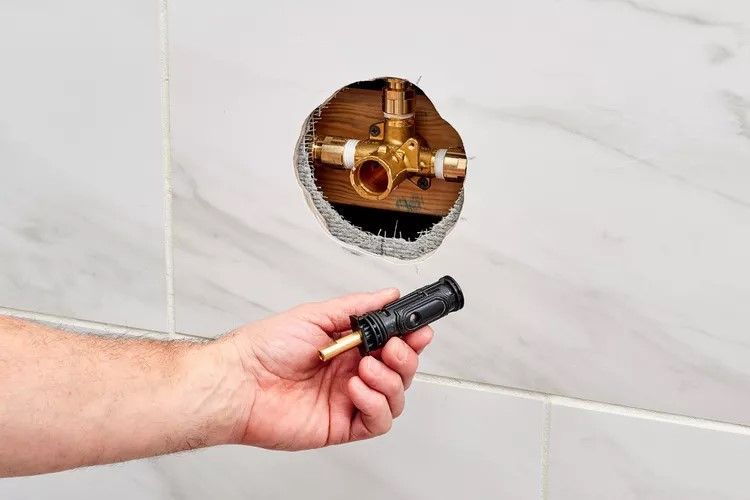
A shower cartridge is a small but essential valve inside your shower faucet that controls the mix of hot and cold water. Located behind the handle, the cartridge allows you to adjust the temperature and water flow with a simple turn. It serves as the "brain" behind your shower’s operation—ensuring a steady, comfortable stream every time you bathe.
Modern single-handle shower systems almost always use cartridges instead of older two-valve systems. As water flows into the shower, the cartridge regulates how much hot and cold water passes through, allowing you to select your ideal mix and maintain it throughout your shower.
Over time, like any mechanical part, the cartridge can wear out due to mineral deposits, corrosion, or general usage. And when it does, problems start showing up.
What are the most common signs of a failing shower cartridge?
If you're wondering whether your shower cartridge is on the fritz, there are a few key symptoms that should raise red flags:
- Dripping or Leaking Showerhead. Even when the faucet is turned off, water continues to drip or run slightly from the showerhead. This usually means the cartridge is no longer sealing properly.
- Inconsistent Water Temperature. One minute it’s hot, the next it’s freezing cold. If you experience a sudden loss of temperature control, your cartridge may be misfiring internally.
- Stiff or Loose Handle. If the shower handle feels too tight, hard to turn, or overly loose, it could indicate wear or mineral buildup inside the cartridge.
- No Hot Water or Cold Water. If you can only get cold water or only hot, the cartridge might be stuck or broken on one side of the mixing process.
- Strange Noises When the Water Is On. A whistling or squealing sound coming from the faucet might point to internal damage or debris affecting the cartridge.
If you notice any of these issues, it’s likely time to investigate further—or better yet, call a professional plumber to inspect it.
What are the risks of ignoring a faulty shower cartridge?
It’s tempting to delay dealing with a minor leak or a slightly stiff shower handle. But ignoring a bad shower cartridge can lead to bigger, more expensive problems.
- Water Waste and Higher Bills. A dripping showerhead may not seem like much, but over time it can waste hundreds of gallons of water—leading to inflated water bills.
- Mold and Mildew Growth. Persistent moisture from leaks creates the perfect breeding ground for mold and mildew, especially in bathrooms with poor ventilation.
- Damage to Shower Fixtures. Continued strain on a worn-out cartridge can lead to corrosion or damage to surrounding parts like the valve body or the handle itself.
- Complete Shower Failure. If the cartridge fully fails, your shower might stop working entirely—no hot water, no flow control, and no choice but to do emergency repairs.
By catching and fixing cartridge issues early, you can avoid these risks and maintain a functional and comfortable shower system.
How to Replace a Shower Cartridge
Before replacing a cartridge, confirm it's the actual problem: dripping, inconsistent temperature, a stiff or loose handle, or no hot/cold water are the key signs. Not all cartridges are universal, so identifying the correct part for your shower's model matters. If the handle is stuck, avoid forcing it, excessive force can damage plumbing behind the wall. And if the problem persists after a replacement, that usually points to a deeper issue like a damaged valve body or pipe corrosion rather than the cartridge itself.
When should you call a plumber to diagnose or replace your shower cartridge?
While some DIY-savvy homeowners may feel confident enough to replace a cartridge themselves, not all situations are straightforward. Here are some signs it's best to leave the job to the pros:
You’re unsure about your shower’s model or brand.
Not all cartridges are universal. A plumber can identify the correct replacement part quickly.
The shower handle is stuck or requires force to turn.
Excessive force can damage plumbing behind the wall. Let a professional avoid costly errors.
You notice leaks behind the wall or water stains below the shower.
This could be a more serious plumbing issue, not just a cartridge problem.
You’ve tried replacing the cartridge, but the problem persists.
This often means there's a deeper issue, such as damaged valve bodies or pipe corrosion.
Calling a professional plumber like those at Superior Plumbing ensures the job is done right, with the proper tools, expertise, and replacement parts. We can also inspect the rest of your plumbing system to catch potential problems before they escalate.
FAQ
How much does it cost to repair or replace a shower cartridge?
Cartridge replacement is one of the more affordable shower repairs, typically running less than a full valve replacement since only the internal part is swapped, not the plumbing behind the wall. Exact pricing depends on the brand, cartridge type, and whether the valve body itself needs attention.
Can a shower cartridge be repaired, or does it always need to be replaced?
Most worn cartridges can't be repaired, mineral buildup, cracked seals, and worn O-rings mean the part needs to be swapped rather than fixed. In some cases, a plumber can clean out scale and extend its life short-term, but replacement is the long-term fix once symptoms like dripping or temperature swings appear.
Is a bad cartridge the same issue as a pipe that needs lining or replacement?
Not usually. A cartridge problem is isolated to the shower valve itself. But if you're also seeing signs like water stains below the shower, leaks behind the wall, or recurring issues after a cartridge swap, that can point to a bigger problem with the supply lines feeding the fixture. In those cases, the fix may involve pipe lining or full pipe replacement rather than another cartridge swap, a licensed plumber can determine which applies with an inspection.
How long does a shower cartridge last?
Most cartridges last several years, but hard water, mineral buildup, and daily use can shorten that lifespan. If you're noticing dripping, temperature swings, or a stiff handle, it's a sign the cartridge is nearing the end of its life regardless of age.
Trust Superior Plumbing to Fix It Right—The First Time
At Superior Plumbing, we understand that small issues like a faulty shower cartridge can create big disruptions in your daily life. Our licensed plumbers have years of experience diagnosing and fixing all types of shower valve issues—from simple cartridge swaps to full valve replacements.
We work with all major brands and can ensure you get the right part installed quickly and correctly. No guesswork. No water damage. Just reliable plumbing you can count on.
Don’t Let a Faulty Cartridge Disrupt Your Routine—Call Superior Plumbing Today!
If you’re experiencing dripping, inconsistent temperatures, or a handle that just won’t turn right, don’t wait. Superior Plumbing offers fast, professional service to restore your shower to perfect working order.
Call us now or book an appointment online to have your shower cartridge inspected and replaced with expert precision.
Your comfort starts with Superior Plumbing—where quality meets peace of mind.